If you have been struggling with unexplained brain fog, chronic fatigue, stubborn sinus problems, or a growing list of symptoms that no one can seem to connect, hidden mold and the mycotoxins it produces may be an overlooked root cause. Mold toxicity is one of the most misdiagnosed conditions in modern medicine - and it can quietly affect nearly every system in the body.
At Orthomolecular Nutrition & Wellness Center (OrthoLiving) in Largo, Florida, our functional medicine team specializes in identifying and addressing mold illness at its source. Using advanced urine mycotoxin testing and personalized, practitioner-guided detoxification protocols, we help patients across Tampa, Clearwater, St. Petersburg, and the greater Florida area understand what is driving their symptoms and build a realistic path toward recovery.
This in-depth guide explains what mold and mycotoxins are, every way they get into your body, the full range of symptoms they can cause, why conventional testing so often misses mold illness, and how a customized functional medicine program may help you heal.

What This Guide Covers
- What Is Mold?
- What Are Mycotoxins?
- How Mold Gets Into Your Body
- Symptoms of Mold Toxicity
- Common Conditions Associated With Mold
- Why Traditional Testing Misses Mold Illness
- How We Test for Mold
- Our Customized Mold Recovery Program
- Removing Mold From Your Home
- Supporting Mold Detoxification
- Frequently Asked Questions
What Is Mold
Mold is a type of fungus that grows in damp, humid environments both indoors and outdoors. Outdoors, mold plays an important role in breaking down organic matter like leaves and wood. Indoors, however, mold growth is never a good thing - especially when it takes hold inside walls, ceilings, flooring, or ventilation systems.
Mold reproduces by releasing tiny spores into the air. These spores are microscopic, lightweight, and easily inhaled. When they land on a moist surface, they can begin to grow within 24 to 48 hours.
Why water damage matters: Any source of excess moisture - a roof leak, burst pipe, flooding, high humidity, or even a slow drip under a sink - can create the perfect environment for mold to flourish. In Florida's warm, humid climate, water-damaged buildings are especially common, and mold can grow quickly after storms, hurricanes, or flooding.
Why mold is often hidden: Much of the most harmful mold is never visible. It can grow behind drywall, under flooring, above ceiling tiles, inside air conditioning units, and deep within HVAC ductwork. Many people are exposed for months or even years without ever seeing a single spot of mold.
You do not need to see or smell mold to be affected by it. Hidden mold inside walls and HVAC systems is one of the most common - and most overlooked - sources of chronic mold exposure.
What Are Mycotoxins
Mycotoxins are toxic chemical compounds produced by certain species of mold. While mold spores can trigger allergic reactions, it is often the mycotoxins that cause the most serious and far-reaching health effects.
Unlike spores, mycotoxins are not living organisms - they are stable toxic molecules that can remain in an environment, and in the body, long after the mold itself is gone. They are so small they can pass through the lungs, the gut lining, and even the blood-brain barrier.
Common mycotoxins include ochratoxin, aflatoxin, trichothecenes, gliotoxin, and zearalenone, produced by molds such as Aspergillus, Penicillium, Stachybotrys (often called black mold), and Chaetomium. Each can affect the body differently, disrupting the immune system, mitochondria, hormones, and detoxification pathways.
Why some people become extremely sensitive: Not everyone exposed to the same environment gets sick. Genetics, immune function, total toxic burden, gut health, and the body's detoxification capacity all influence how strongly a person reacts. Some individuals - particularly those with certain immune-response genes - cannot efficiently clear mycotoxins, leading to a self-perpetuating inflammatory reaction known as CIRS (Chronic Inflammatory Response Syndrome).
How Mold Gets Into Your Body
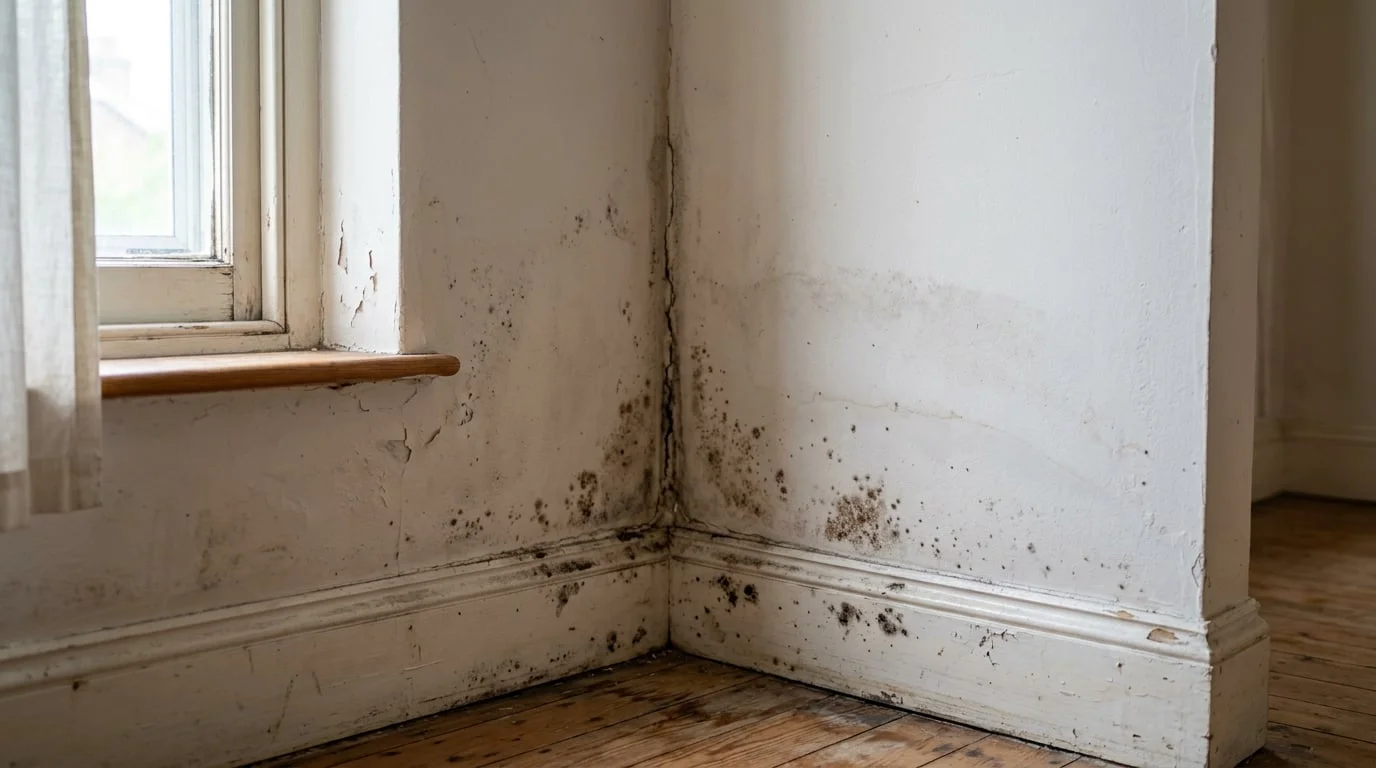
Mold and mycotoxins can enter the body through several pathways, often at the same time. Understanding these routes helps explain why mold illness can be so persistent and hard to resolve.
- Breathing airborne spores: Inhaling mold spores is the most common route of exposure, especially in water-damaged homes, schools, and offices.
- Breathing airborne mycotoxins: Mycotoxins can attach to tiny particles and dust and be inhaled deep into the lungs.
- Eating contaminated foods: Many foods can harbor mycotoxins, including corn, coffee, wheat, oats, rice, peanuts, tree nuts, wine, beer, dried fruit, and chocolate.
- Drinking contaminated water: Water-damaged plumbing and poorly maintained water systems can introduce mold and its byproducts.
- Skin contact: Direct contact with moldy surfaces or materials can cause reactions and absorption through the skin.
- Sinus colonization: Mold can colonize the sinuses, creating an ongoing internal source of exposure.
- Gut colonization: Mold and yeast such as Candida can overgrow in the digestive tract, adding to the body's total toxic load.
- Occupational and environmental exposure: Schools, offices, air conditioning systems, HVAC ducts, water-damaged buildings, and areas hit by flood or hurricane damage are all frequent sources.
In humid climates like Florida, air conditioning systems and HVAC ductwork are among the most common hidden reservoirs of mold - continuously circulating spores and mycotoxins throughout a building.
Symptoms of Mold Toxicity
Because mycotoxins can affect nearly every organ system, the symptoms of mold toxicity are broad, vague, and frequently mistaken for other conditions. Many patients see multiple specialists over several years before mold is ever considered. The summary below organizes common symptoms by body system.
- Neurological: brain fog, memory loss, headaches, migraines, dizziness, numbness and tingling, difficulty concentrating
- Mental health: anxiety, depression, mood swings, irritability, ADHD-like symptoms
- Energy and sleep: chronic fatigue, unrefreshing sleep, insomnia, post-exertional crashes
- Respiratory and sinus: chronic sinus congestion, post-nasal drip, cough, shortness of breath, asthma-like symptoms
- Digestive: bloating, abdominal pain, nausea, food sensitivities, leaky gut, IBS-like symptoms
- Immune: frequent infections, MCAS (mast cell activation syndrome), histamine intolerance, new or worsening autoimmune activity
- Hormonal: thyroid dysfunction, adrenal issues, weight gain, weight loss, infertility, low libido
- Skin: rashes, eczema, psoriasis, itching, unexplained hives
- Musculoskeletal: joint pain, muscle aches, fibromyalgia-like pain, weakness
- Cardiovascular: heart palpitations, blood pressure changes, POTS-like symptoms
- Vision and eyes: blurred vision, light sensitivity, red or watery eyes
- Other: metallic taste, tinnitus (ringing in the ears), excessive thirst, temperature dysregulation, static shocks
Two patterns deserve special mention. Many people with mold illness develop histamine intolerance or MCAS, where the immune system overreacts to foods, smells, and everyday environmental triggers. Others develop new or worsening food sensitivities, weight changes, hormone disruption, and even fertility challenges.
Mold symptoms rarely follow a clear pattern. If you have a long list of seemingly unrelated symptoms that no one can explain, mold toxicity is worth investigating.
Common Conditions Associated With Mold
Mold toxicity can mimic, trigger, or worsen many chronic conditions. Because mycotoxins drive inflammation and immune dysregulation, mold is increasingly recognized as a potential underlying contributor to:
- Fibromyalgia and chronic fatigue syndrome
- Chronic Lyme disease and other persistent infections
- Long COVID and post-viral syndromes
- Hashimoto's thyroiditis and other autoimmune diseases
- Migraines and chronic headaches
- IBS, Crohn's disease, and ulcerative colitis
- Depression, anxiety, ADHD, and insomnia
- Asthma, eczema, and psoriasis
- MCAS and histamine intolerance
- POTS and other forms of dysautonomia
- CIRS (Chronic Inflammatory Response Syndrome)
This does not mean mold is the cause of every case of these conditions. But when standard treatments are not working - or symptoms began after living or working in a water-damaged building - mold deserves careful evaluation.
Why Traditional Testing Often Misses Mold Illness
One of the greatest frustrations for patients with mold toxicity is being told that all of their tests are normal. Conventional medicine widely accepts that mold can cause allergies, but the inflammatory and toxic effects of mycotoxins are often overlooked.
- Standard blood work rarely screens for mycotoxins and typically looks normal even when a patient feels very sick.
- Routine physician testing is not designed to detect the low-level, chronic inflammation that mold can cause.
- Environmental testing alone can confirm mold in a building but cannot tell you how it is affecting your body.
- Symptom patterns matter: A skilled functional medicine practitioner interprets your history, exposures, and lab findings together - not in isolation.
This gap is exactly why so many people go years without answers. A functional medicine approach connects the dots between your environment, your symptoms, and objective testing.
How We Test for Mold

At OrthoLiving, mycotoxin testing is often the first step toward clarity. We frequently use the Vibrant Wellness Mycotoxins Test, a comprehensive urine test that measures mycotoxin metabolites your body is actively eliminating.
Urine mycotoxin testing can detect toxins produced by common molds, including ochratoxin, aflatoxin, trichothecenes, gliotoxin, and zearalenone. The results are then reviewed and interpreted by our practitioners in the context of your full clinical picture - never as an isolated number on a page.
Depending on your symptoms and history, additional laboratory testing may be recommended to evaluate immune, inflammatory, liver, gut, and nutritional markers. This deeper look helps us understand not just whether mycotoxins are present, but how well your body is equipped to detoxify them.
We may also recommend a professional home or building inspection by a certified mold inspector, because lasting recovery is difficult if you are still living or working in an actively contaminated environment.
Testing guides treatment. Rather than guessing, we use objective mycotoxin data plus your clinical history to build a targeted, personalized plan.
Our Customized Mold Recovery Program
There is no single mold protocol that works for everyone. Our functional medicine approach builds every recovery plan around the individual. When designing your program, we consider:
- Your specific symptoms and their severity
- Laboratory findings and mycotoxin levels
- Medical history and current medications
- Gut health and microbiome balance
- Immune function and inflammation
- Detoxification capacity and genetics
- Lifestyle, stress, and sleep
- Ongoing environmental exposure
This individualized approach is essential because some patients are highly sensitive and need a slow, gentle start, while others can tolerate a more active protocol. The goal is always steady progress without overwhelming the body.
Removing Mold From Your Home
You cannot fully heal from mold illness while you are still being exposed. Addressing your environment is one of the most important steps in recovery. Practical prevention and remediation strategies include:
- Fix leaks and repair water damage immediately
- Keep indoor humidity below 50 percent
- Use quality dehumidifiers in damp areas
- Improve ventilation throughout the home
- Maintain HVAC systems and replace filters regularly
- Clean and inspect air ducts when appropriate
- Use HEPA air purifiers in main living spaces
- Avoid carpeting in moisture-prone areas like bathrooms and basements
- Inspect crawl spaces, attics, and bathrooms regularly
- Never paint over mold, which only hides the problem
- Professionally remediate significant contamination rather than attempting large cleanups yourself
Small areas of surface mold can sometimes be cleaned safely, but significant or hidden contamination should always be handled by a qualified remediation professional.
Supporting Mold Detoxification

Detoxification is where many people go wrong - moving too fast, using the wrong binders, or detoxing while still exposed. For this reason, mold detox should always be supervised by a qualified healthcare professional. A well-designed program typically supports the body on several fronts.
Nutrition: An anti-inflammatory, low-sugar, high-protein diet rich in fiber, antioxidants, and clean hydration gives the body the raw materials it needs to heal while reducing the food-based mold burden.
Gut support: Because so much detoxification happens through the gut, high-quality probiotics, Saccharomyces boulardii, prebiotics, and digestive support help restore a healthy microbiome and improve elimination. Learn more about our approach to gut health.
Herbal support: Depending on the individual, functional medicine practitioners may use antifungal and antimicrobial herbs such as oregano oil, garlic, berberine, olive leaf extract, pau d'arco, caprylic acid, grapefruit seed extract, undecylenic acid, black seed oil, neem, and monolaurin.
Prescription antifungals: When clinically appropriate, some patients benefit from prescription antifungal medications - such as nystatin, fluconazole, itraconazole, or in selected cases amphotericin B - prescribed and monitored by a healthcare provider.
Binders: Binders help trap mycotoxins so they can be safely eliminated. Under medical guidance these may include activated charcoal, bentonite clay, zeolite, chlorella, modified citrus pectin, humic and fulvic acids, cholestyramine, and Welchol (colesevelam).
Detoxification support: Supportive therapies may include glutathione, NAC, alpha-lipoic acid, milk thistle, vitamin C, and phosphatidylcholine, alongside sauna and infrared sauna therapy, sweating and exercise as tolerated, adequate hydration, electrolyte replacement, healthy bowel movements, sleep optimization, stress reduction, lymphatic drainage, and dry brushing. Targeted IV nutrient therapy and regenerative medicine may also support recovery in select cases.
Detoxification must be individualized. Some patients are so sensitive that a gradual, carefully paced approach is the only way to make progress without triggering setbacks.
Why Personalized Care Matters
There is no one-size-fits-all cure for mold illness because every patient is different. Genetics, immune function, toxic burden, nutrition, gut microbiome, detoxification pathways, environmental exposures, and overall health status all shape how mold affects you - and how you recover. A protocol that helps one person can overwhelm another. Personalized, practitioner-guided care is what makes safe, lasting progress possible.
Why Choose OrthoLiving
Patients throughout Largo, Tampa, Clearwater, and St. Petersburg choose OrthoLiving for mold evaluation and recovery because we combine advanced testing with a true root-cause philosophy.
- A comprehensive functional medicine approach focused on the root cause
- Advanced Vibrant Wellness mycotoxin testing and expert clinical interpretation
- Customized, individualized treatment protocols
- Practitioner-guided detoxification - never one-size-fits-all
- Support for related issues like gut health, MCAS, and hormone balance
- Ongoing patient support and long-term wellness planning
Take the Next Step Toward Answers
If you are experiencing symptoms of mold exposure or suspect that hidden mycotoxins may be affecting your health, you do not have to keep guessing. Our team can help you understand what is happening in your body and design a personalized recovery plan.
Contact Orthomolecular Nutrition & Wellness Center in Largo, Florida to schedule a consultation and learn about advanced mycotoxin testing and customized mold treatment.
Orthomolecular Nutrition & Wellness Center - Largo, Florida - (727) 518-9808 - Ortholiving.com
Authoritative Resources
For further reading on mold, dampness, and health, these trusted organizations offer science-based information:
- CDC - Mold and Health
- EPA - Mold and Moisture
- WHO - Air Pollution
- NIEHS (NIH) - Mold
- Vibrant Wellness - Mycotoxins Testing
Frequently Asked Questions
Can mold make you sick?
Yes. For sensitive individuals, exposure to mold and mycotoxins can trigger a wide range of symptoms, from brain fog and fatigue to sinus problems, digestive issues, and immune dysfunction. Not everyone reacts the same way, but for many people mold is a genuine and serious health concern.
What are mycotoxins?
Mycotoxins are toxic chemical compounds produced by certain molds. They are different from mold spores and can remain harmful long after the mold is gone, affecting nearly every organ system in sensitive people.
What foods contain mycotoxins?
Common dietary sources include corn, coffee, wheat, oats, rice, peanuts, tree nuts, wine, beer, dried fruit, and chocolate. Proper storage and high-quality sourcing can help reduce exposure.
How do I know if I have mold toxicity?
Mold toxicity is identified through a combination of your symptom history, exposure history, and objective testing such as a urine mycotoxin test. Because symptoms overlap with many conditions, a knowledgeable functional medicine practitioner is key to an accurate assessment.
What is the best mold test?
For assessing what is in your body, a urine mycotoxin test such as the Vibrant Wellness Mycotoxins Test is commonly used. Environmental testing by a certified inspector evaluates your home or building. The two together give the most complete picture.
Can mold cause brain fog?
Yes. Brain fog, memory issues, and difficulty concentrating are among the most commonly reported neurological symptoms of mold toxicity, because mycotoxins can affect the brain and nervous system.
Can mold affect hormones?
It can. Mycotoxins may disrupt thyroid, adrenal, and reproductive hormone balance, contributing to fatigue, weight changes, low libido, and in some cases fertility challenges.
Can mold trigger autoimmune disease?
Chronic mold exposure can drive immune dysregulation and inflammation, which may trigger or worsen autoimmune activity in susceptible individuals. Addressing mold is sometimes an important piece of an autoimmune recovery plan.
Can mold cause anxiety?
Yes. Mold-related inflammation can affect the brain and nervous system, contributing to anxiety, depression, mood swings, and irritability - sometimes even in people with no prior mental health history.
Can mold cause fatigue?
Chronic fatigue is one of the hallmark symptoms of mold toxicity. Mycotoxins can impair mitochondrial function, your cells' energy production, leading to persistent, unrefreshing exhaustion.
How long does mold detox take?
Recovery time varies widely depending on the severity of exposure, individual health, and whether ongoing exposure has been removed. Some people notice improvement within weeks, while others need several months of carefully guided treatment.
What is CIRS?
CIRS stands for Chronic Inflammatory Response Syndrome. It describes an ongoing, self-perpetuating inflammatory reaction triggered by biotoxins such as mycotoxins, typically in individuals whose immune systems cannot efficiently clear these toxins.
Can probiotics help after mold exposure?
Yes. High-quality probiotics and Saccharomyces boulardii can help restore a healthy gut microbiome, support immune function, and improve the elimination of toxins as part of a broader recovery plan.
Should I remove mold before detoxing?
Ideally, yes. Removing yourself from ongoing exposure - or remediating the contaminated environment - is one of the most important steps. Detoxing while still being exposed makes lasting recovery very difficult.
When should I see a functional medicine practitioner?
If you have unexplained chronic symptoms, a history of water damage or mold exposure, or you have not found answers through conventional care, a functional medicine practitioner experienced in mold illness can help you test, interpret results, and build a personalized recovery plan.
Medical Disclaimer
This article is intended for educational purposes only and should not be construed as medical advice. Mold toxicity and its treatment are highly individualized, and results vary from person to person. Detoxification and any use of supplements or medications should be supervised by a qualified healthcare professional. Always consult a licensed provider regarding diagnosis and treatment.
Ready to Take the Next Step?
Our clinical team is here to create a personalized plan tailored to your unique health goals.
Book Your ConsultationMedical Disclaimer: The information on this website is for educational purposes only and is not intended to diagnose, treat, cure, or prevent any disease. Individual results vary. All care recommendations are made after appropriate consultation with a qualified healthcare professional.