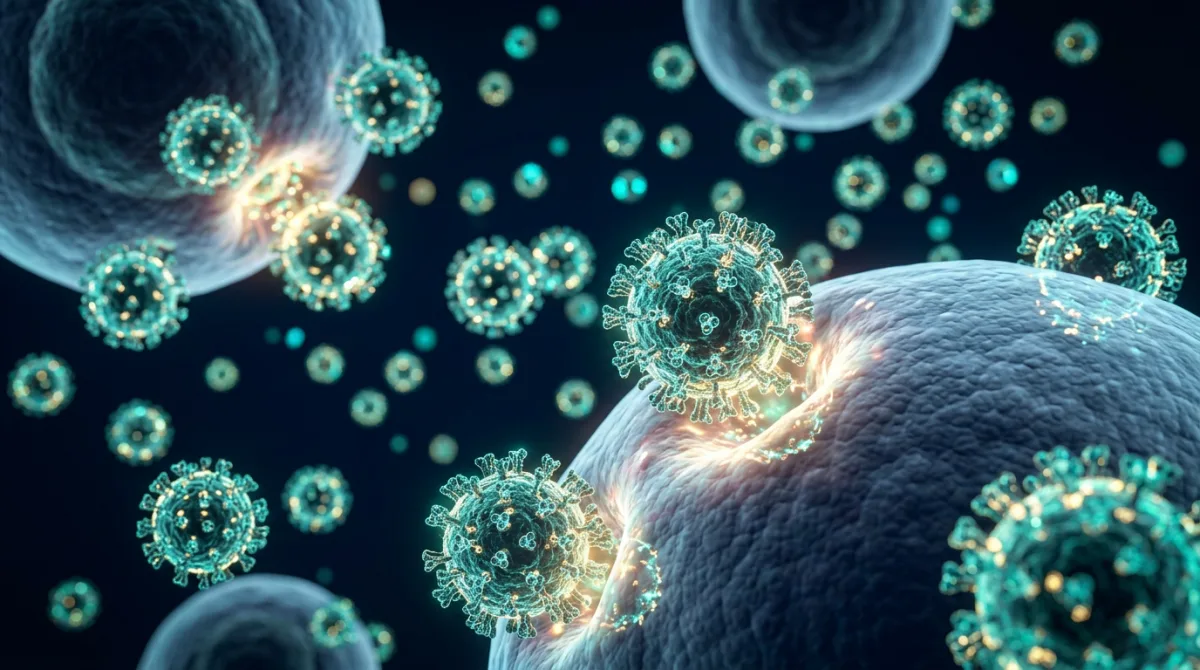
Epstein-Barr virus, commonly known as EBV, is one of the most overlooked barriers to recovery in patients with chronic fatigue, mold illness, Lyme disease, brain fog, inflammation, and weakened immune function.
EBV is best known as the virus that causes mononucleosis, but the virus does not leave the body after the original infection. It remains hidden inside B cells—immune cells responsible for producing antibodies—and can reactivate when the immune system becomes stressed or suppressed.
When EBV is active, the immune system may spend so much energy trying to control the virus that it cannot respond effectively to mold, Lyme disease, coinfections, intestinal pathogens, and other chronic health burdens.
That is why we frequently target EBV first: once the viral burden is reduced and immune surveillance improves, the immune system may be able to come back online and focus more effectively on the other problems keeping the patient sick.
How EBV Hides Inside Immune Cells
EBV has a highly effective survival strategy. After infecting a B cell, the virus stores its genetic material inside the cell's nucleus.
A viral protein called EBNA1 helps attach the EBV genome to the cell's chromosomes. Every time the infected B cell divides, the viral genetic material can be copied along with it.
EBV also uses proteins such as LMP1 to alter immune signaling and promote the survival of infected cells. In other words, EBV can hide inside the very immune cells that are supposed to protect the body.
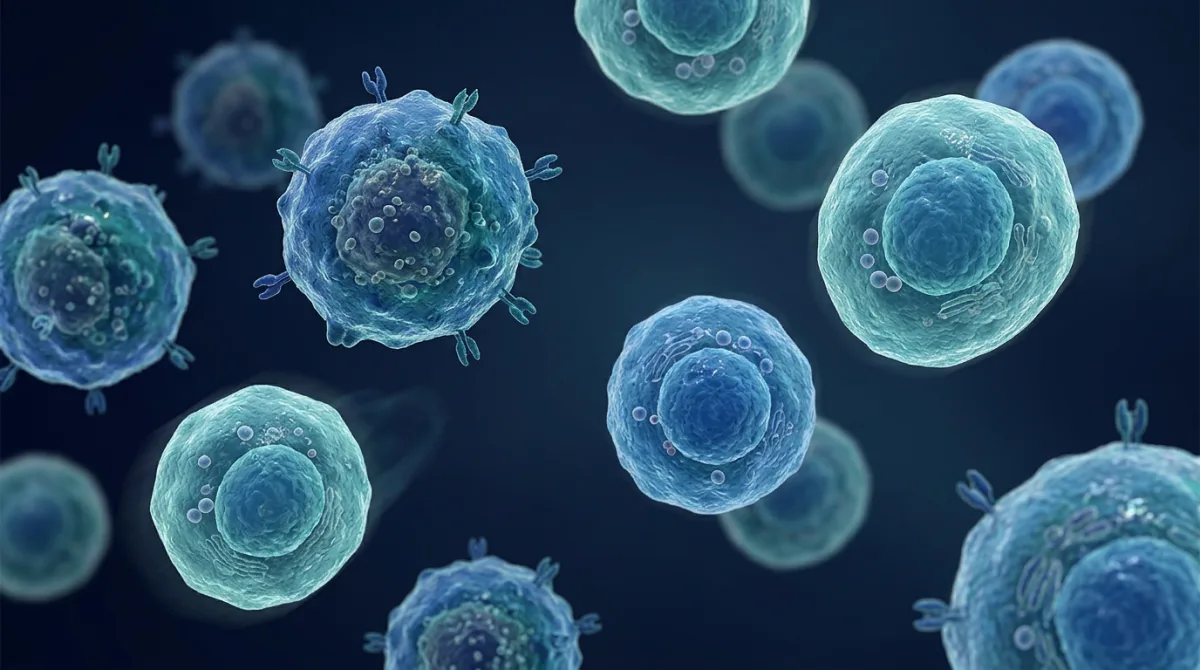
Cytotoxic T cells and natural killer cells normally identify and control EBV-infected cells. But chronic stress, mold exposure, Lyme disease, poor sleep, nutritional deficiencies, mitochondrial dysfunction, inflammation, and other infections can weaken this immune surveillance.
This can create a cycle:
- 1EBV interferes with immune function.
- 2Weakened immune function allows EBV to remain active.
- 3The immune system becomes increasingly exhausted.
- 4Mold, Lyme, and other infections become harder to address.
- 5The patient continues to experience fatigue, brain fog, inflammation, pain, and poor recovery.
Breaking this cycle may require targeting EBV directly while rebuilding the patient's immune and cellular function.
EBV and Autoimmune Disease
EBV has also been connected with autoimmune and neurological conditions.
Researchers studying multiple sclerosis identified antibodies that recognized both the EBV protein EBNA1 and a central nervous system protein called GlialCAM. This is known as molecular mimicry: an immune response directed against a virus may mistakenly react with a similar-looking protein belonging to the body.
This research helps explain why controlling chronic viral activity may be so important in patients with immune dysregulation. Source: Nature Reviews Immunology
New Research on Chinese Herbal Medicine and EBV
A 2021 study evaluated a traditional Chinese herbal formula called Simiao Qingwen Baidu decoction. Researchers found that the formula reduced EBV-associated B-cell proliferation and viral replication while influencing the proteins EBV uses to maintain infected cells.
The formula also promoted apoptosis—the body's process for removing damaged, abnormal, or infected cells. This research supports the growing interest in botanical compounds that may help regulate viral activity, inflammation, and infected-cell survival. Source: Published EBV herbal study
How We Evaluate EBV
A positive EBV IgG result usually confirms previous exposure, but it does not provide the full picture. We examine the patient's symptoms and complete antibody pattern to determine whether EBV may still be creating an active immune burden.
Testing may include:
- EBV viral capsid antigen IgM and IgG
- EBV nuclear antigen IgG
- EBV early antigen IgG
- Quantitative EBV PCR when appropriate
- Complete blood count
- Comprehensive metabolic testing
- Inflammatory and immune markers
- Natural killer-cell and lymphocyte evaluation
- Thyroid, nutrient, mitochondrial, and hormone testing
- Evaluation for mold, Lyme disease, and coinfections
We do not treat a laboratory number by itself. We look at how the patient feels, the complete laboratory pattern, immune function, exposures, medical history, and the other conditions competing for the immune system's attention.
What We Do for EBV
Our approach is designed to reduce the EBV burden, retrain immune recognition, restore antiviral surveillance, support cellular energy, and help the immune system regain control.
Depending on the patient, we may use high-dose vitamin C IV therapy, Q‑REstrain, homeopathic immune retraining, thymosin alpha‑1, mitochondrial support, and additional nutritional or intravenous therapies.
High-Dose Vitamin C IV Therapy
We use high-dose intravenous vitamin C to support immune function, antioxidant defenses, inflammatory balance, and the body's response to oxidative stress.
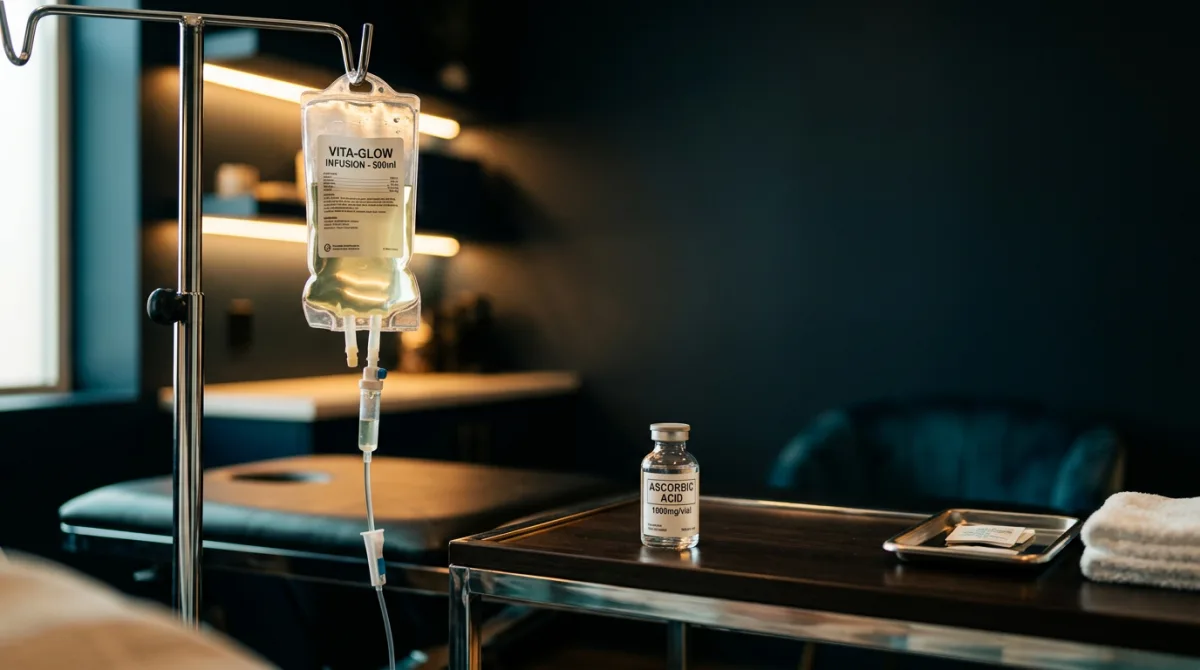
IV administration produces vitamin C concentrations that cannot be reached with oral supplements alone. This can be especially valuable for patients experiencing severe fatigue, poor immune resilience, chronic inflammation, or recurrent viral symptoms.
A published study involving patients with elevated EBV antibodies reported reductions in certain EBV antibody levels following high-dose IV vitamin C. Patients who received more treatments experienced greater changes in their antibody levels. Source: IV vitamin C and EBV study
We personalize each IV program according to the patient's laboratory results, kidney function, G6PD status, hydration, medications, and overall health.
Q‑REstrain: Personalized, Gene-Targeted Therapy
We offer Q‑REstrain for patients with EBV and other persistent infectious burdens. It is delivered as part of our RGCC-guided testing and SOT therapy program.
Q‑REstrain is an amazing personalized therapy because it is created specifically for the identified target. It uses oligonucleotide technology designed to interfere with genetic instructions the targeted organism needs to function and replicate.
Instead of providing generalized immune support alone, Q‑REstrain gives us a way to target the specific infectious burden interfering with the patient's recovery.
We have had success using Q‑REstrain in patients with elevated EBV titers. As the EBV burden and antibody patterns improve, the immune system may be able to redirect its resources toward mold, Lyme disease, coinfections, and other underlying problems.
This sequencing can be extremely important. If EBV is keeping the immune system overwhelmed, immediately attacking mold or Lyme may place additional stress on a system that is already struggling. Addressing EBV first may create a stronger foundation for the next phase of treatment.
Q‑REstrain is incorporated into a complete program that prepares the patient before treatment, supports the body afterward, and tracks clinical symptoms and laboratory markers over time.
Homeopathics: Retraining the Immune System
We also use carefully selected homeopathic protocols to help retrain the immune system's response to EBV.
The goal is to improve immune recognition and communication—not simply stimulate an already overwhelmed immune system. These protocols may be introduced in progressive stages so the body can respond without becoming overloaded.
Homeopathics may be combined with drainage support, detoxification, nutritional therapy, gut repair, mitochondrial support, and other immune-focused treatments.
For complex patients, immune retraining can be a valuable part of helping the body recognize the viral burden, respond more appropriately, and maintain better long-term control.
Thymosin Alpha‑1: Restoring Immune Surveillance
Thymosin alpha‑1 is an immune-modulating peptide that can help support the immune cells responsible for recognizing and controlling EBV.
Potential benefits include:
- Supporting cytotoxic T-cell activity
- Improving natural killer-cell function
- Enhancing dendritic-cell communication
- Supporting antigen presentation
- Strengthening interferon-mediated antiviral signaling
- Improving immune surveillance of infected cells
- Helping regulate an exhausted or poorly coordinated immune response
Thymosin alpha‑1 does not function like a conventional antiviral medication. It helps strengthen and coordinate the patient's own immune defenses so the body is better equipped to identify and control EBV-infected cells.
Research involving an EBV-positive model found that thymosin alpha‑1 reduced EBV-related activity and influenced inflammatory signaling and infected-cell survival pathways. Source: Published thymosin alpha‑1 study
We may combine thymosin alpha‑1 with Q‑REstrain, high-dose vitamin C, homeopathic immune retraining, and mitochondrial support to target the virus while rebuilding immune surveillance.
Rebuilding the Body After EBV
Reducing the EBV burden is only part of the process. The immune system also needs the energy and resources required to maintain control.
Our comprehensive approach may address:
- Mitochondrial function and cellular energy
- Glutathione and antioxidant capacity
- Vitamin D, zinc, selenium, and B-vitamin status
- Sleep and circadian rhythm
- Gut and oral microbiome health
- Mold and mycotoxin exposure
- Lyme disease and coinfections
- Blood-sugar regulation
- Thyroid and hormone function
- Chronic inflammation
- Stress and nervous-system regulation
By supporting these systems, we help create an internal environment in which the immune system is better able to control EBV and respond to other chronic health burdens.
Give the Immune System a Chance to Come Back Online
Many patients have spent years attempting to treat mold, Lyme disease, fatigue, brain fog, and inflammation without understanding that EBV may be consuming a large portion of their immune resources.
When testing confirms that EBV is a significant part of the picture, targeting it first can change the direction of treatment.
At Orthomolecular Nutrition & Wellness Center, we offer a comprehensive EBV approach that may include:
- Q‑REstrain personalized therapy
- High-dose vitamin C IV therapy
- Homeopathic immune retraining
- Thymosin alpha‑1
- Mitochondrial and nutritional support
- Detoxification and drainage support
- Follow-up testing to monitor EBV titers and immune progress
We have seen patients achieve meaningful improvements in EBV titers and immune function, allowing us to move forward more effectively with mold, Lyme, and other underlying conditions.
The goal is clear: reduce the burden, restore immune surveillance, and give the immune system the opportunity to focus on healing.
Contact Orthomolecular Nutrition & Wellness Center to schedule a comprehensive evaluation and determine whether EBV may be preventing your immune system from coming fully back online.
Treatment is individualized and provided under appropriate clinical supervision. Individual responses and results vary.
Frequently Asked Questions
Why do you often target EBV before mold or Lyme?
When EBV is active, the immune system may spend much of its energy trying to control the virus, leaving fewer resources to respond to mold, Lyme disease, and other burdens. Reducing the EBV burden first may help immune surveillance come back online so the body can respond more effectively to the remaining problems. The correct sequence still depends on each patient's testing, symptoms, and history.
What is Q‑REstrain and how may it help with EBV?
Q‑REstrain is a personalized, gene-targeted therapy created specifically for an identified target. It uses oligonucleotide technology designed to interfere with the genetic instructions an organism needs to function and replicate. For patients with elevated EBV titers, it gives us a way to target the specific viral burden rather than relying on generalized immune support alone.
How do you test for active EBV?
A positive EBV IgG usually confirms past exposure but does not tell the whole story. A fuller evaluation may include viral capsid antigen IgM and IgG, EBV nuclear antigen IgG, early antigen IgG, and quantitative EBV PCR when appropriate, along with immune, inflammatory, nutrient, thyroid, and mitochondrial markers. We interpret these alongside symptoms and exposures rather than treating a single number.
Can high-dose vitamin C help with EBV?
High-dose intravenous vitamin C may support immune function, antioxidant defenses, and inflammatory balance at concentrations that cannot be reached with oral supplements alone. A published study reported reductions in certain EBV antibody levels following high-dose IV vitamin C, with greater changes in patients who received more treatments. Each program is personalized to labs, kidney function, G6PD status, and overall health.
What is thymosin alpha‑1 and how may it help?
Thymosin alpha‑1 is an immune-modulating peptide that may help support cytotoxic T-cell activity, natural killer-cell function, antigen presentation, and interferon-mediated antiviral signaling. Rather than acting like a conventional antiviral drug, it is designed to strengthen and coordinate the body's own immune defenses so it is better equipped to recognize and control EBV-infected cells.
How do homeopathics retrain the immune system?
We use carefully selected homeopathic protocols intended to improve immune recognition and communication rather than simply stimulate an already overwhelmed system. These protocols may be introduced in progressive stages and combined with drainage, detoxification, nutritional therapy, gut repair, and mitochondrial support so the body can respond without becoming overloaded.
Can EBV be completely cured?
EBV establishes lifelong latency and is not fully eliminated from the body. The goal of care is not to chase an antibody number but to reduce the active viral burden, restore immune surveillance, support cellular energy, and help the body maintain long-term control so the immune system can focus on other chronic health burdens.
Medical Disclaimer
This article is for educational purposes only and is not intended to diagnose, treat, cure, or prevent any disease. It does not constitute medical advice and is not a substitute for consultation with a qualified healthcare provider. The therapies described may not be appropriate for everyone, and individual responses and results vary. Always consult a licensed clinician before beginning any treatment or making changes to your care.
Ready to Take the Next Step?
Our clinical team is here to create a personalized plan tailored to your unique health goals.
Book Your ConsultationMedical Disclaimer: The information on this website is for educational purposes only and is not intended to diagnose, treat, cure, or prevent any disease. Individual results vary. All care recommendations are made after appropriate consultation with a qualified healthcare professional.